Buy verified carbon credits for your business
Buy verified carbon credits for your business
Carbon credit procurement is harder than ever, with stretched teams and rising scrutiny. Ecologi acts as an extension of your sustainability function, combining:
Rigorous due diligence
Expert support
A centralised platform

In partnership with the world’s leading carbon intelligence and ratings experts
In partnership with the world’s leading carbon intelligence and ratings experts
In partnership with the world’s leading carbon intelligence and ratings experts






Why organisations choose Ecologi for their carbon credit strategy
Manage risk, build a credible long-term approach, and invest in high-quality climate projects with confidence.

Unmatched due diligence
“Ecologi showed us every project risk and built a future-proof strategy.”
We assess every project across climate, nature and people, mitigating risk at every level. Our proprietary framework supports long-term, multi-year credit portfolios that go far beyond spot purchases.

Bespoke business case support
“They helped us bring our CFO and exec team on board.”
We help you make the internal business case for carbon investment, co-designing funding strategies that align to your decarbonisation pathway and resonate with commercial stakeholders.

Climate science-led, within budget
“Top-tier projects, without the premium price tag.”
Over 75% of credits are sourced directly from developers, ensuring climate finance reaches the frontlines more cost-effectively than via traditional consultancies and brokers.

Your sustainability team, extended
“They gave us clarity, confidence and saved us hours.”
We take the pressure off time-poor ESG teams buried in data and reporting. With a dedicated account manager, tailored market updates, and everything in one place, you save hours - and stay focused on impact.
Why organisations choose Ecologi for their carbon credit strategy
Manage risk, build a credible long-term approach, and invest in high-quality climate projects with confidence.
Unmatched due diligence
“Ecologi showed us every project risk and built a future-proof strategy.”
We assess every project across climate, nature and people, mitigating risk at every level. Our proprietary framework supports long-term, multi-year credit portfolios that go far beyond spot purchases.
Bespoke business case support
“They helped us bring our CFO and exec team on board.”
We help you make the internal business case for carbon investment, co-designing funding strategies that align to your decarbonisation pathway and resonate with commercial stakeholders.
Climate science-led, within budget
“Top-tier projects, without the premium price tag.”
Over 75% of credits are sourced directly from developers, ensuring climate finance reaches the frontlines more cost-effectively than via traditional consultancies and brokers.
Your sustainability team, extended
“They gave us clarity, confidence and saved us hours.”
We take the pressure off time-poor ESG teams buried in data and reporting. With a dedicated account manager, tailored market updates, and everything in one place, you save hours - and stay focused on impact.
Why organisations choose Ecologi for their carbon credit strategy
Manage risk, build a credible long-term approach, and invest in high-quality climate projects with confidence.
Unmatched due diligence
“Ecologi showed us every project risk and built a future-proof strategy.”
We assess every project across climate, nature and people, mitigating risk at every level. Our proprietary framework supports long-term, multi-year credit portfolios that go far beyond spot purchases.
Bespoke business case support
“They helped us bring our CFO and exec team on board.”
We help you make the internal business case for carbon investment, co-designing funding strategies that align to your decarbonisation pathway and resonate with commercial stakeholders.
Climate science-led, within budget
“Top-tier projects, without the premium price tag.”
Over 75% of credits are sourced directly from developers, ensuring climate finance reaches the frontlines more cost-effectively than via traditional consultancies and brokers.
Your sustainability team, extended
“They gave us clarity, confidence and saved us hours.”
We take the pressure off time-poor ESG teams buried in data and reporting. With a dedicated account manager, tailored market updates, and everything in one place, you save hours - and stay focused on impact.
High-integrity climate action in practice
BAFTA albert is helping 1,500+ productions reach carbon neutrality, avoiding 168k tonnes of CO₂e with Ecologi. A powerful example of strategy, reduction and quality offsetting in action.

High-integrity climate action in practice
BAFTA albert is helping 1,500+ productions reach carbon neutrality, avoiding 168k tonnes of CO₂e with Ecologi. A powerful example of strategy, reduction and quality offsetting in action.
High-integrity climate action in practice
BAFTA albert is helping 1,500+ productions reach carbon neutrality, avoiding 168k tonnes of CO₂e with Ecologi. A powerful example of strategy, reduction and quality offsetting in action.
Defining quality and integrity in the voluntary carbon market
Our proprietary assessment model - developed with academic and industry experts - evaluates every project across three pillars: Climate. Nature. People. With risk scoring at each level.
Climate: Additionality, permanence, crediting risk
Nature: Biodiversity and ecological resilience
People: Community outcomes, social value, and SDG alignment
We combine data from leading ratings agencies—including BeZero, Sylvera, Calyx and Renoster, with peer-reviewed research, INFORM risk indices and satellite monitoring (via Earth Blox). Each layer of insight supports robust, transparent investment decisions.
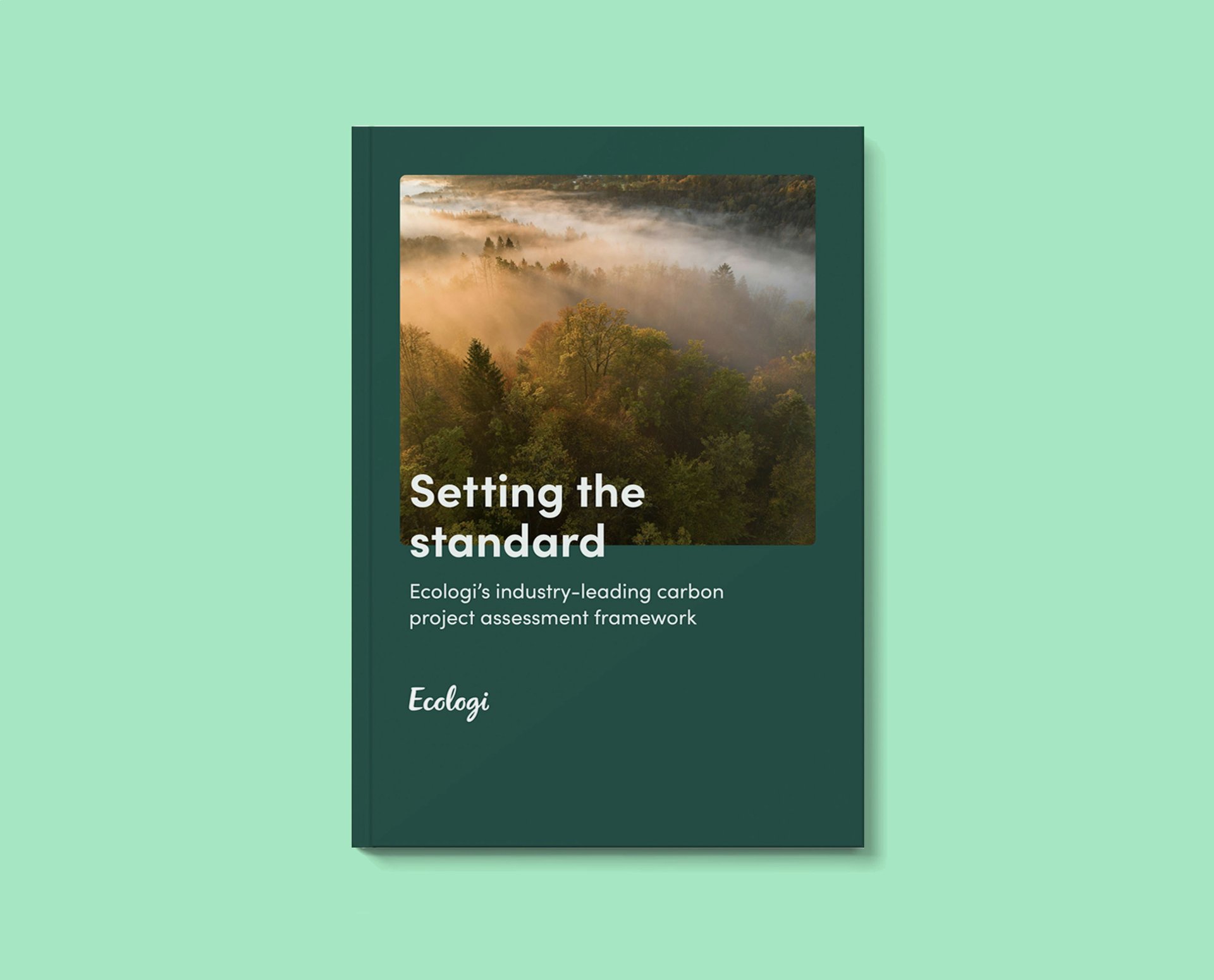
Defining quality and integrity in the voluntary carbon market
Our proprietary assessment model - developed with academic and industry experts - evaluates every project across three pillars: Climate. Nature. People. With risk scoring at each level.
Climate: Additionality, permanence, crediting risk
Nature: Biodiversity and ecological resilience
People: Community outcomes, social value, and SDG alignment
We combine data from leading ratings agencies—including BeZero, Sylvera, Calyx and Renoster, with peer-reviewed research, INFORM risk indices and satellite monitoring (via Earth Blox). Each layer of insight supports robust, transparent investment decisions.
Defining quality and integrity in the voluntary carbon market
Our proprietary assessment model - developed with academic and industry experts - evaluates every project across three pillars: Climate. Nature. People. With risk scoring at each level.
Climate: Additionality, permanence, crediting risk
Nature: Biodiversity and ecological resilience
People: Community outcomes, social value, and SDG alignment
We combine data from leading ratings agencies—including BeZero, Sylvera, Calyx and Renoster, with peer-reviewed research, INFORM risk indices and satellite monitoring (via Earth Blox). Each layer of insight supports robust, transparent investment decisions.
Sam Jackson - Director of Climate Science and Impact
“No project is risk-free. But with Ecologi’s proprietary assessment framework, you can make decisions grounded in climate science and the best available data—built to withstand scrutiny and deliver real impact where it matters most.”

Sam Jackson - Director of Climate Science and Impact
“No project is risk-free. But with Ecologi’s proprietary assessment framework, you can make decisions grounded in climate science and the best available data—built to withstand scrutiny and deliver real impact where it matters most.”
Sam Jackson - Director of Climate Science and Impact
“No project is risk-free. But with Ecologi’s proprietary assessment framework, you can make decisions grounded in climate science and the best available data—built to withstand scrutiny and deliver real impact where it matters most.”
Verified climate projects that deliver real impact



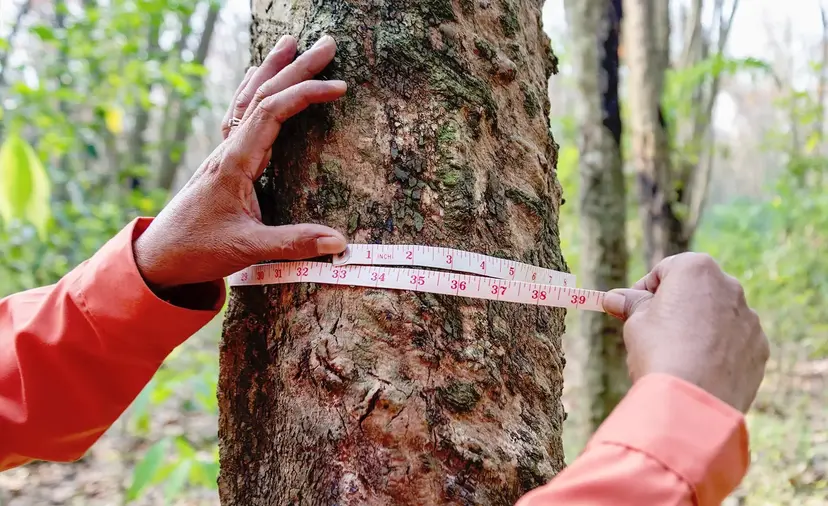
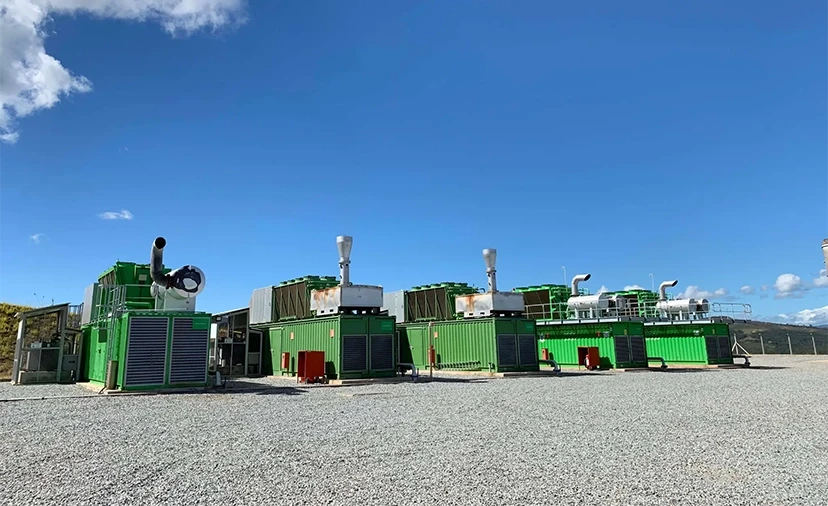

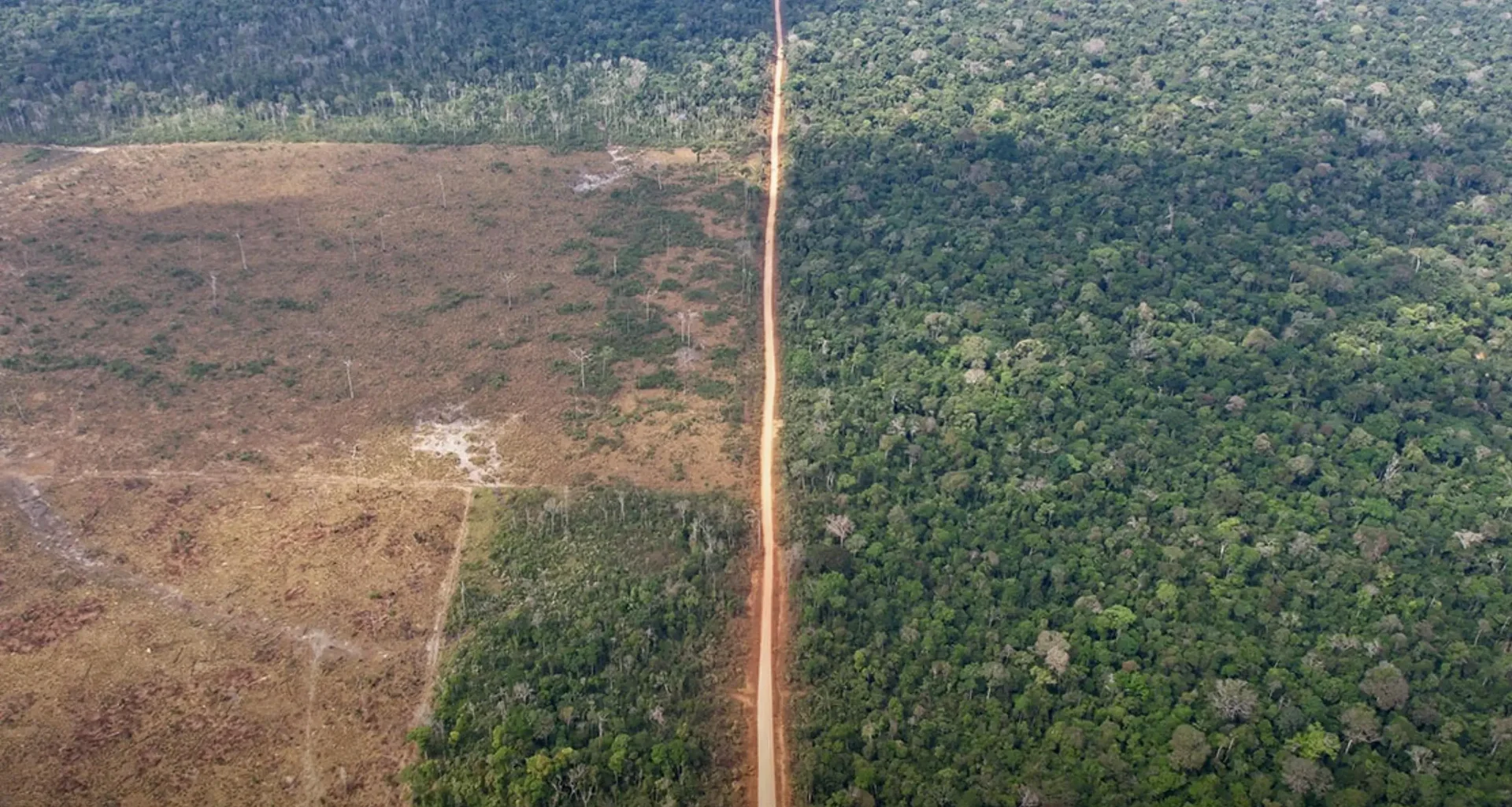





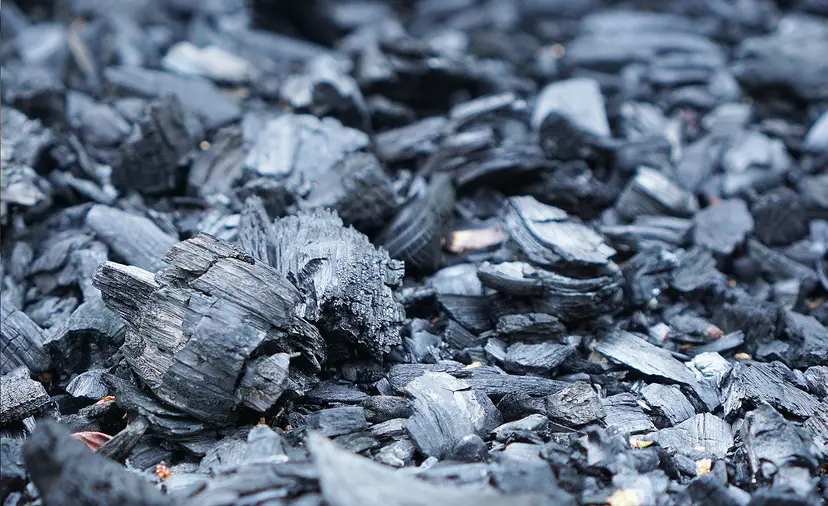





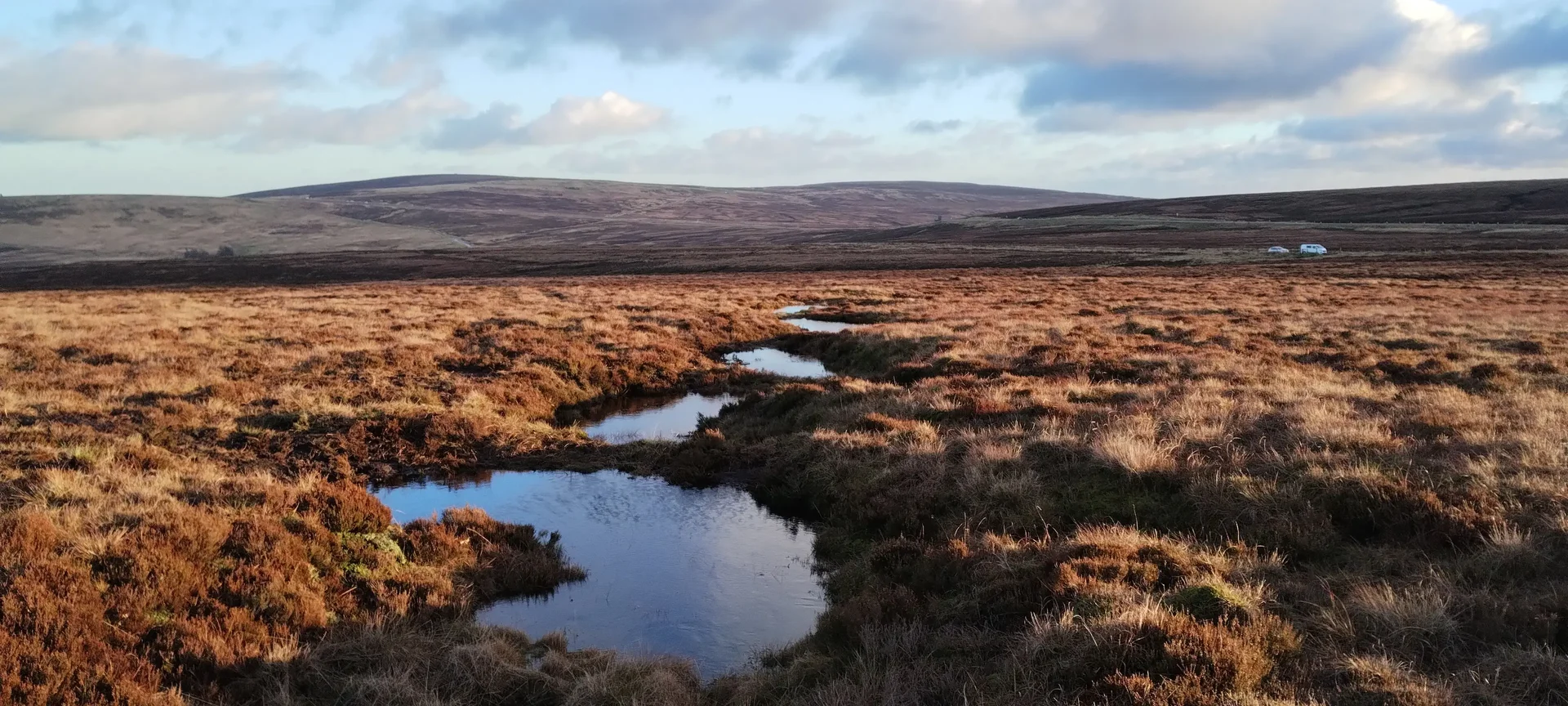
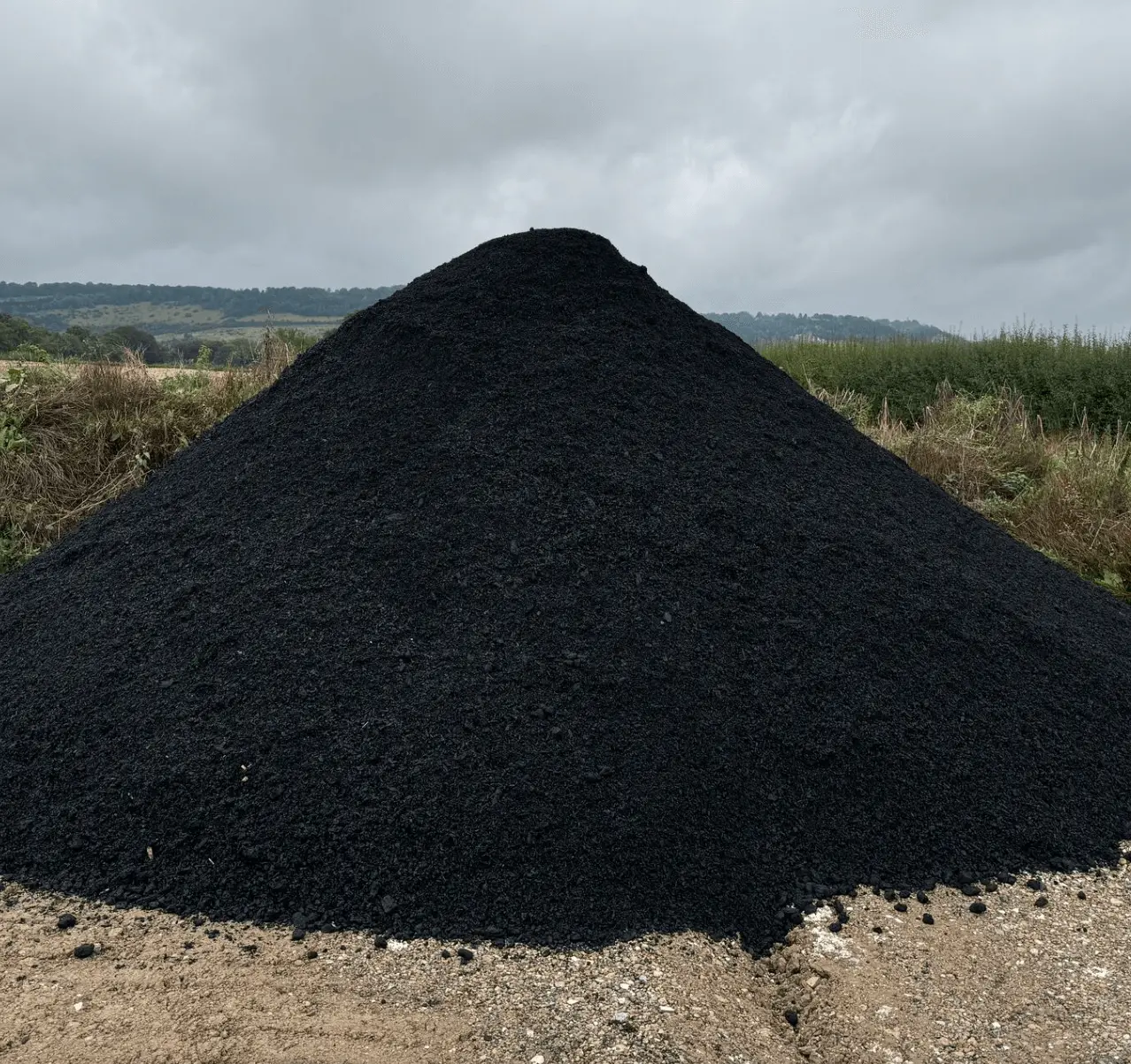
Verified climate projects that deliver real impact
Receive your carbon credit quote
Speak to our team for a free, no-commitment consultation. Alternatively, visit our Impact shop to fund carbon credit projects right now.
Receive your carbon credit quote
Speak to our team for a free, no-commitment consultation. Alternatively, visit our Impact shop to fund carbon credit projects right now.
Receive your carbon credit quote
Speak to our team for a free, no-commitment consultation. Alternatively, visit our Impact shop to fund carbon credit projects right now.
Case studies
Ready to join 16,000+ businesses taking climate action?
giffgaff
In late 2023, giffgaff and MG OMD established the Up To Good Fund, a pioneering new mechanism to embed UK nature recovery into their media campaigns. Since its inception, 11 media owners have joined the Fund, proving that UK nature recovery can sit alongside campaign performance.
Your Coop
Your Co-op (Midcounties Co-operative) integrates climate action into their core business, partnering with Ecologi to avoid 5,000 tonnes of CO2 and plant 180,000 trees while making sustainability a key feature of their customer offerings.

Mulberry
Luxury brand Mulberry partnered with Ecologi to engage employees in their net-zero journey through tree planting and carbon reduction initiatives. Since 2022, the collaboration has planted 1,300 trees, avoided 568 tonnes of CO2e, and transformed sustainability from a corporate goal into an integral part of Mulberry's company culture.

Case studies
Ready to join 16,000+ businesses taking climate action?
giffgaff
In late 2023, giffgaff and MG OMD established the Up To Good Fund, a pioneering new mechanism to embed UK nature recovery into their media campaigns. Since its inception, 11 media owners have joined the Fund, proving that UK nature recovery can sit alongside campaign performance.
Your Coop
Your Co-op (Midcounties Co-operative) integrates climate action into their core business, partnering with Ecologi to avoid 5,000 tonnes of CO2 and plant 180,000 trees while making sustainability a key feature of their customer offerings.
Mulberry
Luxury brand Mulberry partnered with Ecologi to engage employees in their net-zero journey through tree planting and carbon reduction initiatives. Since 2022, the collaboration has planted 1,300 trees, avoided 568 tonnes of CO2e, and transformed sustainability from a corporate goal into an integral part of Mulberry's company culture.
Case studies
Ready to join 16,000+ businesses taking climate action?
giffgaff
In late 2023, giffgaff and MG OMD established the Up To Good Fund, a pioneering new mechanism to embed UK nature recovery into their media campaigns. Since its inception, 11 media owners have joined the Fund, proving that UK nature recovery can sit alongside campaign performance.
Your Coop
Your Co-op (Midcounties Co-operative) integrates climate action into their core business, partnering with Ecologi to avoid 5,000 tonnes of CO2 and plant 180,000 trees while making sustainability a key feature of their customer offerings.
Mulberry
Luxury brand Mulberry partnered with Ecologi to engage employees in their net-zero journey through tree planting and carbon reduction initiatives. Since 2022, the collaboration has planted 1,300 trees, avoided 568 tonnes of CO2e, and transformed sustainability from a corporate goal into an integral part of Mulberry's company culture.
Explore expert insights
Cut through the complexity with clear, expert-led insights from our resource hub, designed to help sustainability leaders build credible climate strategies.




Connect with one of our climate experts
Talk to our team to begin building your high-integrity carbon portfolio today.
Your complete climate strategy
Alongside your carbon credit strategy, we provide one solution for industry-specific climate leadership.


Reduce your emissions
Measure your Scope 1, 2, and 3 emissions, set SBTi-aligned short- and long-term reduction targets, and develop actionable plans that reduce emissions, improve operational efficiency, cut costs, and strengthen your competitive position.


Restore our planet
Compensate for unavoidable emissions and contribute beyond your value chain by funding verified carbon credits and nature-based restoration that mitigates the impact of your business operations whilst building brand reputation.


Report your progress
Meet voluntary, regulatory & supply chain compliance requirements such as PPN06/21, CSRD, SECR, SBTi, CDP, and communicate your climate impact to key stakeholders, protecting your brand against greenwashing.
Your complete climate strategy
Alongside your carbon credit strategy, we provide one solution for industry-specific climate leadership.
Reduce your emissions
Measure your Scope 1, 2, and 3 emissions, set SBTi-aligned short- and long-term reduction targets, and develop actionable plans that reduce emissions, improve operational efficiency, cut costs, and strengthen your competitive position.
Restore our planet
Compensate for unavoidable emissions and contribute beyond your value chain by funding verified carbon credits and nature-based restoration that mitigates the impact of your business operations whilst building brand reputation.
Report your progress
Meet voluntary, regulatory & supply chain compliance requirements such as PPN06/21, CSRD, SECR, SBTi, CDP, and communicate your climate impact to key stakeholders, protecting your brand against greenwashing.
Your complete climate strategy
Alongside your carbon credit strategy, we provide one solution for industry-specific climate leadership.
Reduce your emissions
Measure your Scope 1, 2, and 3 emissions, set SBTi-aligned short- and long-term reduction targets, and develop actionable plans that reduce emissions, improve operational efficiency, cut costs, and strengthen your competitive position.
Restore our planet
Compensate for unavoidable emissions and contribute beyond your value chain by funding verified carbon credits and nature-based restoration that mitigates the impact of your business operations whilst building brand reputation.
Report your progress
Meet voluntary, regulatory & supply chain compliance requirements such as PPN06/21, CSRD, SECR, SBTi, CDP, and communicate your climate impact to key stakeholders, protecting your brand against greenwashing.
Frequently asked questions
What is the difference between carbon offsetting and carbon credits?
Carbon credits are verified certificates representing one tonne of CO₂e reduced, avoided, or removed from the atmosphere. They are the units traded in the voluntary carbon market. Carbon offsetting is the act of purchasing and retiring these credits to compensate for emissions that can’t yet be eliminated. For example, a company might fund a tree planting carbon offset or clean energy project to balance its footprint. In short: carbon credits are the currency of carbon markets, while offsetting is how that currency is used to deliver real-world climate impact.
What is Beyond Value Chain Mitigation (BVCM)?
Beyond value chain mitigation, or BVCM, is a key concept in the SBTi’s Corporate Net-Zero Standard, which is the leading net-zero framework for businesses. BVCM encourages organisations to support climate action beyond their own operations, alongside reducing their business emissions, on the journey to net-zero.
Rather than relying solely on carbon offsetting, BVCM focuses on contributing to global decarbonisation through high-integrity carbon credits. These may include projects like reforestation, renewable energy, or tree planting carbon offset initiatives that remove or avoid emissions elsewhere.
What are the Oxford Principles for Net Zero Aligned Carbon Offsetting?
First published in 2020 and revised in 2024, the Oxford Principles provide a science-based framework for businesses to ensure that the carbon offsetting they carry out supports genuine, lasting climate benefits rather than temporary or low-quality solutions.
The principles urge organisations to reduce their own emissions first, then use high-quality carbon credits for any remaining emissions. They also encourage a gradual shift towards carbon removals – such as durable tree planting carbon offset projects – and transparent reporting.
Is carbon offsetting greenwashing?
Carbon offsetting is not inherently greenwashing – but it can be if used to avoid real emissions cuts or if low-quality carbon credits are purchased. When done transparently and responsibly, offsetting drives finance to impactful climate solutions. Integrity comes from pairing carbon offsetting with deep emissions reductions, independent verification, and open reporting.
What is the difference between avoidance and removal credits?
Avoidance credits come from projects that prevent emissions from being released – such as protecting forests from deforestation or funding clean cookstoves. Removal credits, by contrast, are generated when carbon is actively taken out of the atmosphere, for example through afforestation, biochar, or direct air capture. Both play important roles in carbon offsetting, but only removal credits directly lower atmospheric CO₂ concentrations. High-integrity portfolios often include a mix of avoidance and removal carbon credits.
What is the Gold Standard for carbon offsets?
The Gold Standard is one of the world’s most trusted certification bodies for carbon credits. Established by WWF and other NGOs, it ensures that carbon offsetting projects deliver verifiable climate impact while supporting sustainable development goals. To issue Gold Standard credits, projects must meet strict criteria for additionality, permanence, and co-benefits for local communities.
What is VCS (Verified Carbon Standard)?
The Verified Carbon Standard (VCS), developed by Verra, is the most widely used program for verifying carbon credits globally. It ensures that carbon offsetting projects meet rigorous requirements for additionality, monitoring, and verification.
Each tonne of CO₂e reduced or removed generates a unique carbon credit recorded in Verra’s public registry. This transparency helps buyers trust that their investments fund genuine emissions reductions and contribute to global climate goals.
Can carbon offsetting help us achieve net zero?
Carbon offsetting can play an important role in achieving net zero, but only alongside deep emissions reductions. High-quality carbon credits allow businesses to compensate for residual emissions that can’t yet be eliminated.
Do we need to reduce emissions before offsetting?
Credible climate strategies always prioritise emissions reduction alongside carbon offsetting. Companies should measure their footprint, set science-based targets, and decarbonise as much as possible. Purchasing high-quality carbon credits can be used to neutralise what remains.
This approach aligns with best-practice frameworks like the Oxford Principles and the Science Based Targets initiative, ensuring that carbon offsetting is used responsibly and complements, rather than replaces, genuine climate action.
Frequently asked questions
What is the difference between carbon offsetting and carbon credits?
Carbon credits are verified certificates representing one tonne of CO₂e reduced, avoided, or removed from the atmosphere. They are the units traded in the voluntary carbon market. Carbon offsetting is the act of purchasing and retiring these credits to compensate for emissions that can’t yet be eliminated. For example, a company might fund a tree planting carbon offset or clean energy project to balance its footprint. In short: carbon credits are the currency of carbon markets, while offsetting is how that currency is used to deliver real-world climate impact.
What is Beyond Value Chain Mitigation (BVCM)?
Beyond value chain mitigation, or BVCM, is a key concept in the SBTi’s Corporate Net-Zero Standard, which is the leading net-zero framework for businesses. BVCM encourages organisations to support climate action beyond their own operations, alongside reducing their business emissions, on the journey to net-zero.
Rather than relying solely on carbon offsetting, BVCM focuses on contributing to global decarbonisation through high-integrity carbon credits. These may include projects like reforestation, renewable energy, or tree planting carbon offset initiatives that remove or avoid emissions elsewhere.
What are the Oxford Principles for Net Zero Aligned Carbon Offsetting?
First published in 2020 and revised in 2024, the Oxford Principles provide a science-based framework for businesses to ensure that the carbon offsetting they carry out supports genuine, lasting climate benefits rather than temporary or low-quality solutions.
The principles urge organisations to reduce their own emissions first, then use high-quality carbon credits for any remaining emissions. They also encourage a gradual shift towards carbon removals – such as durable tree planting carbon offset projects – and transparent reporting.
Is carbon offsetting greenwashing?
Carbon offsetting is not inherently greenwashing – but it can be if used to avoid real emissions cuts or if low-quality carbon credits are purchased. When done transparently and responsibly, offsetting drives finance to impactful climate solutions. Integrity comes from pairing carbon offsetting with deep emissions reductions, independent verification, and open reporting.
What is the difference between avoidance and removal credits?
Avoidance credits come from projects that prevent emissions from being released – such as protecting forests from deforestation or funding clean cookstoves. Removal credits, by contrast, are generated when carbon is actively taken out of the atmosphere, for example through afforestation, biochar, or direct air capture. Both play important roles in carbon offsetting, but only removal credits directly lower atmospheric CO₂ concentrations. High-integrity portfolios often include a mix of avoidance and removal carbon credits.
What is the Gold Standard for carbon offsets?
The Gold Standard is one of the world’s most trusted certification bodies for carbon credits. Established by WWF and other NGOs, it ensures that carbon offsetting projects deliver verifiable climate impact while supporting sustainable development goals. To issue Gold Standard credits, projects must meet strict criteria for additionality, permanence, and co-benefits for local communities.
What is VCS (Verified Carbon Standard)?
The Verified Carbon Standard (VCS), developed by Verra, is the most widely used program for verifying carbon credits globally. It ensures that carbon offsetting projects meet rigorous requirements for additionality, monitoring, and verification.
Each tonne of CO₂e reduced or removed generates a unique carbon credit recorded in Verra’s public registry. This transparency helps buyers trust that their investments fund genuine emissions reductions and contribute to global climate goals.
Can carbon offsetting help us achieve net zero?
Carbon offsetting can play an important role in achieving net zero, but only alongside deep emissions reductions. High-quality carbon credits allow businesses to compensate for residual emissions that can’t yet be eliminated.
Do we need to reduce emissions before offsetting?
Credible climate strategies always prioritise emissions reduction alongside carbon offsetting. Companies should measure their footprint, set science-based targets, and decarbonise as much as possible. Purchasing high-quality carbon credits can be used to neutralise what remains.
This approach aligns with best-practice frameworks like the Oxford Principles and the Science Based Targets initiative, ensuring that carbon offsetting is used responsibly and complements, rather than replaces, genuine climate action.
We use necessary cookies to make the site work and others to give you a better experience. Learn more in our cookie policy.
We use necessary cookies to make the site work and others to give you a better experience. Learn more in our cookie policy.
We use necessary cookies to make the site work and others to give you a better experience. Learn more in our cookie policy.